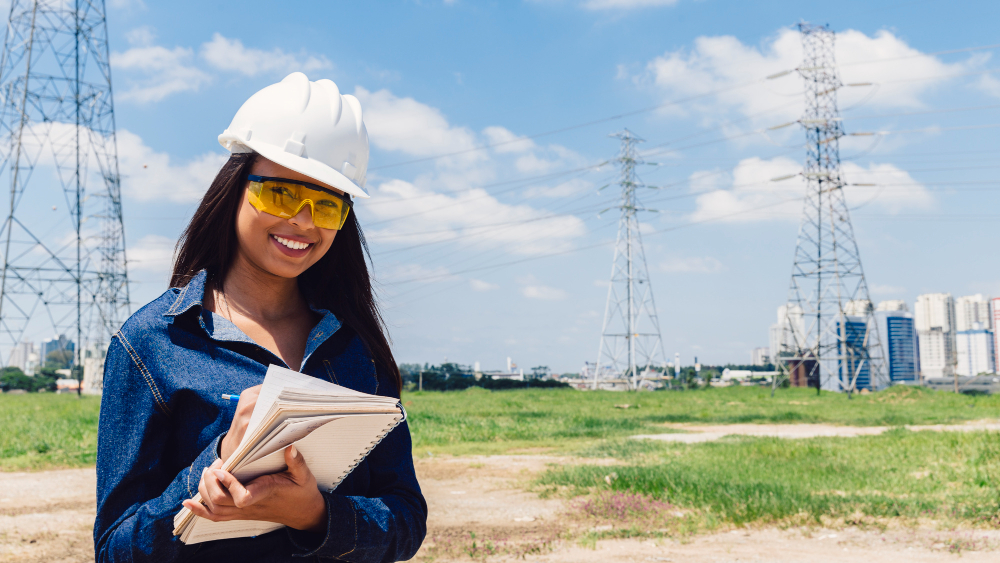
Modular construction continues to rise in popularity due to its cost-effectiveness and speed. Prefabricated components are built off-site and then assembled on-site, reducing construction time and minimizing disruptions.
If you’re looking for a faster project turnaround, consider modular construction. It can help reduce on-site construction time by up to 50%.
This method is particularly appealing for commercial projects, where time and cost are critical factors. The precision involved in prefabrication also ensures higher quality control, making it an attractive option for residential builds as well.
Sustainable Construction and Green Building
Sustainability continues to be a dominant force in the construction industry. As environmental concerns become more pressing, there’s a growing demand for eco-friendly building practices. By adopting green construction methods, developers not only reduce their environmental impact but also meet the growing demand for sustainable buildings, which can lower long-term operating costs.


“In nature, there are neither straight lines nor sharp edges. Buildings must therefore not have any angles or straight lines.”
Bryan Adams
More buildings will incorporate energy-saving features such as solar panels, advanced insulation, and energy-efficient lighting systems.
1. Modular and Prefabricated Construction
Modular construction is no longer just a buzzword; it’s becoming a standard practice in modern construction projects. This trend involves manufacturing building components off-site in a controlled environment, then assembling them on-site.
From residential homes to commercial buildings, modular construction is being embraced for its speed and cost-efficiency.
Modern modular construction isn’t just about simple, cookie-cutter designs. With advancements in technology, customized, high-end designs can be achieved through prefabrication while maintaining the efficiency of off-site manufacturing.

2. Smart Buildings and IoT Integration

From residential homes to commercial buildings, modular construction is being embraced for its speed and cost-efficiency.
Modern modular construction isn’t just about simple, cookie-cutter designs. With advancements in technology, customized, high-end designs can be achieved through prefabrication while maintaining the efficiency of off-site manufacturing.
Is beautiful building well designed?
Early and mid-20th century architects were eager to address social issues and transform the world. Many of their successors show less enthusiasm for these principles. They prefer to flaunt and surprise, though.


- Specializes in planning, managing, and executing various types of construction projects.
- Some construction companies specialize in specific types of projects, such as residential, commercial, industrial, or infrastructure.
- Oversees all phases of a project, from initial concept and planning to project completion.
- Construction companies employ a diverse workforce, including architects, engineers , project managers, skilled laborers.
- Specializes in planning, managing, and executing various types of construction projects.
Lastly, coming to conclusion
The construction industry in 2024 is set to embrace technological innovation, sustainability, and new building methodologies. From modular construction and smart buildings to 3D printing and digital management tools, these trends are reshaping the way projects are designed and delivered. By staying ahead of these trends, construction companies can position themselves for success in a competitive and evolving industry.
As these trends continue to develop, the future of construction promises to be more efficient, sustainable, and technologically advanced than ever before.